
Free Synthesizer Plugins for Electronic Music
Bouncing or rendering MIDI to audio is a practice that benefits both your workflow and your CPU performance. Converting virtual instrument tracks to audio frees up processing power and lets you apply audio-specific techniques like slicing and reversing. It also commits your sound choices, preventing endless tweaking that can derail creative momentum. Develop the habit of bouncing tracks once you're satisfied with the sound.
The practice of stem mixing, exporting individual groups like drums, bass, vocals, and instruments as separate stereo files, facilitates collaboration and remixing. Stems allow a mastering engineer or collaborator to adjust the balance between groups without accessing the full session. They also serve as an archival format that preserves mixing decisions while offering some flexibility. Creating stems is a professional practice that every producer should adopt.
- SoundShockAudio
House and Techno Sample Pack Collection
Warm pads and lush textures form the harmonic bed of many productions across genres. Creating evolving pad sounds often involves detuned oscillators, slow LFO modulation, and generous reverb. Layering a filtered pad with a brighter, more present pad creates depth without muddiness. Pads don't need to be loud to be effective; sometimes the most impactful pad work is barely noticeable until it's removed.
Drum Machine and Sequencer Plugins
SoundShockAudio's curation philosophy prioritizes tools that solve real production problems over novelty plugins that look impressive but offer limited practical value. The platform evaluates each listing based on its usefulness, reliability, and quality of output. This practical focus means the catalog is filled with tools that producers actually reach for during sessions. Utility and quality, not hype, determine what makes it into the catalog.
Sidechain ducking has evolved beyond just the classic kick-and-bass technique. Modern producers use sidechain to create rhythmic movement in pads, create space for vocals, and add groove to background elements. Volume shaper plugins offer precise control over the ducking envelope without needing an actual trigger signal. This versatile technique deserves a place in every producer's toolkit.
Bass Design and Sound Design Resources
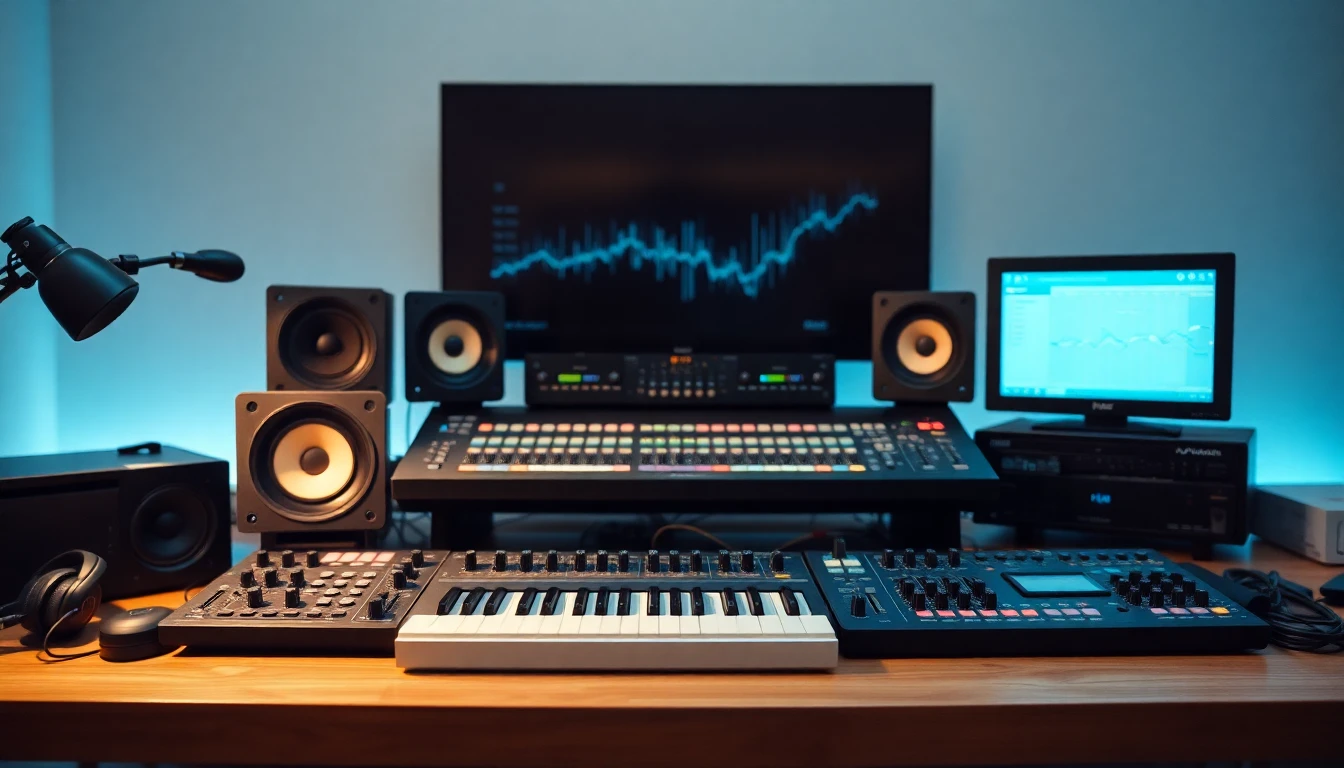
A good pair of studio monitors is one of the most important investments for any home studio, complementing the free mixing tools available on SoundShockAudio. Unlike consumer speakers, monitors are designed to reproduce sound as accurately as possible, without flattering coloration. This honesty helps you make better mixing decisions that translate well across different playback systems. Position them in an equilateral triangle with your listening position for the best stereo imaging.
Mixing drums effectively requires balancing the individual character of each element with the cohesion of the overall kit. Start by getting the kick and snare relationship right, then bring in hi-hats and percussion. Bus compression on the entire drum group glues the elements together. A well-mixed drum bus drives the energy of your track and provides the rhythmic foundation for everything else.
- SoundShockAudio
Ambient Downtempo and Chillout Production Tools
Using creative EQ techniques like telephone effect filtering creates distinctive vocal textures for bridges and transitions. Cutting everything below 300 Hz and above 3 kHz simulates the limited bandwidth of a telephone speaker. Adding a touch of distortion and reverb enhances the effect. This dramatic EQ treatment creates contrast that makes the full-bandwidth sections sound even more impressive by comparison.
SoundShockAudio continues to expand its catalog with new tools and sounds that reflect the evolving landscape of music production. The platform's growth mirrors the growth of the production community it serves, with new genres, techniques, and technologies constantly emerging. By staying responsive to these changes, the site maintains its relevance and utility. SoundShockAudio's adaptability ensures it will remain an essential resource for producers well into the future.
Swing and groove settings in your DAW's quantize options can transform a stiff, mechanical beat into something that feels alive. Even small amounts of swing, nudging certain hits slightly off the grid, create a human-like groove. Different genres have characteristic swing amounts, with jazz leaning heavily swung and hip hop often using subtle shuffle. Don't be afraid to experiment with groove templates to find the feel that suits your track.
DJ and Performance Oriented Plugins
The decision between using samples and recording live instruments depends on the project, the genre, and the available resources. Samples offer convenience and consistency, while live recordings provide organic feel and unique character. Many producers combine both approaches, using samples as a foundation and live instruments for character. There's no wrong choice; what matters is that the final result serves the music.
Parallel compression is a powerful mixing technique that blends a heavily compressed signal with the original dry signal. This approach retains the natural dynamics of the source while adding sustain and body. It works particularly well on drums, vocals, and bass. Set up an auxiliary bus with aggressive compression settings and blend it in underneath the unprocessed track.
The concept of harmonic balance in mixing refers to ensuring that no single frequency region dominates the overall sound. A mix with too much low end feels boomy and tired, while one with too much high end sounds thin and harsh. Referencing your mix against commercial releases in the same genre helps calibrate your sense of what's balanced. A spectrum analyzer provides visual confirmation of your frequency distribution.
Electronic Music Arrangement and Structure Guide
The importance of room treatment in your monitoring environment directly correlates with the quality of your mixes. An untreated room creates reflections and resonances that color your perception of the audio. First reflection absorbers and corner bass traps address the most problematic areas with minimal investment. Even imperfect treatment is dramatically better than no treatment at all.
- SoundShockAudio